Staff
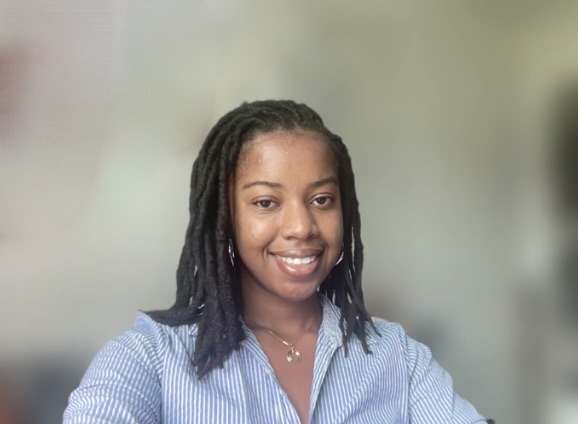
Omoremi Adeleke
Omoremi serves as the Project Information Assistant (PIA), managing the Alasal Tarey Restoration Transformation Praxis Program's information systems and digital infrastructure. Se administers secure document management, oversees the Google Drive environment, manages project email accounts, and maintains confidential program records, including NDAs, PIPs, training materials, regulatory documentation, and archival records.
She also provides technical information management and systems support to the senior administrative team, ensuring data security, organization, compliance, and reliable access to critical program resources.

Danielle Drake, PhD
Danielle Drake, PhD is a licensed clinical psychologist and (Mfumu ba Munganga) Clinical Director of Nganga mu Kati Dibuti in the African American Holistic Wellness Hub. She earned her PhD in Clinical Psychology from Fielding Graduate University with her dissertation study focused on the use of spiritual creativity among African Americans. As a result of her dissertation research she developed and conducted an initial validation of the Black Spiritual Creativity Scale (BSCS) which is now in use in several research projects and studies. She has spent the last fifteen years providing mental health services in the Bay Area, with the last seven years focused specifically on the Black Bay Area community. Dr. Drake’s clinical work engages expressive arts / energetics processes through a liberatory informed theoretical approach that incorporates Womanist, Black/African-centered psychologies with Narrative Therapy, and spiritual / contemplative practices. Dr. Drake additionally holds two decades of previous administration experience in corporate human resource management, and in nonprofit management. She additionally works in university administration at the California Institute of Integral Studies.
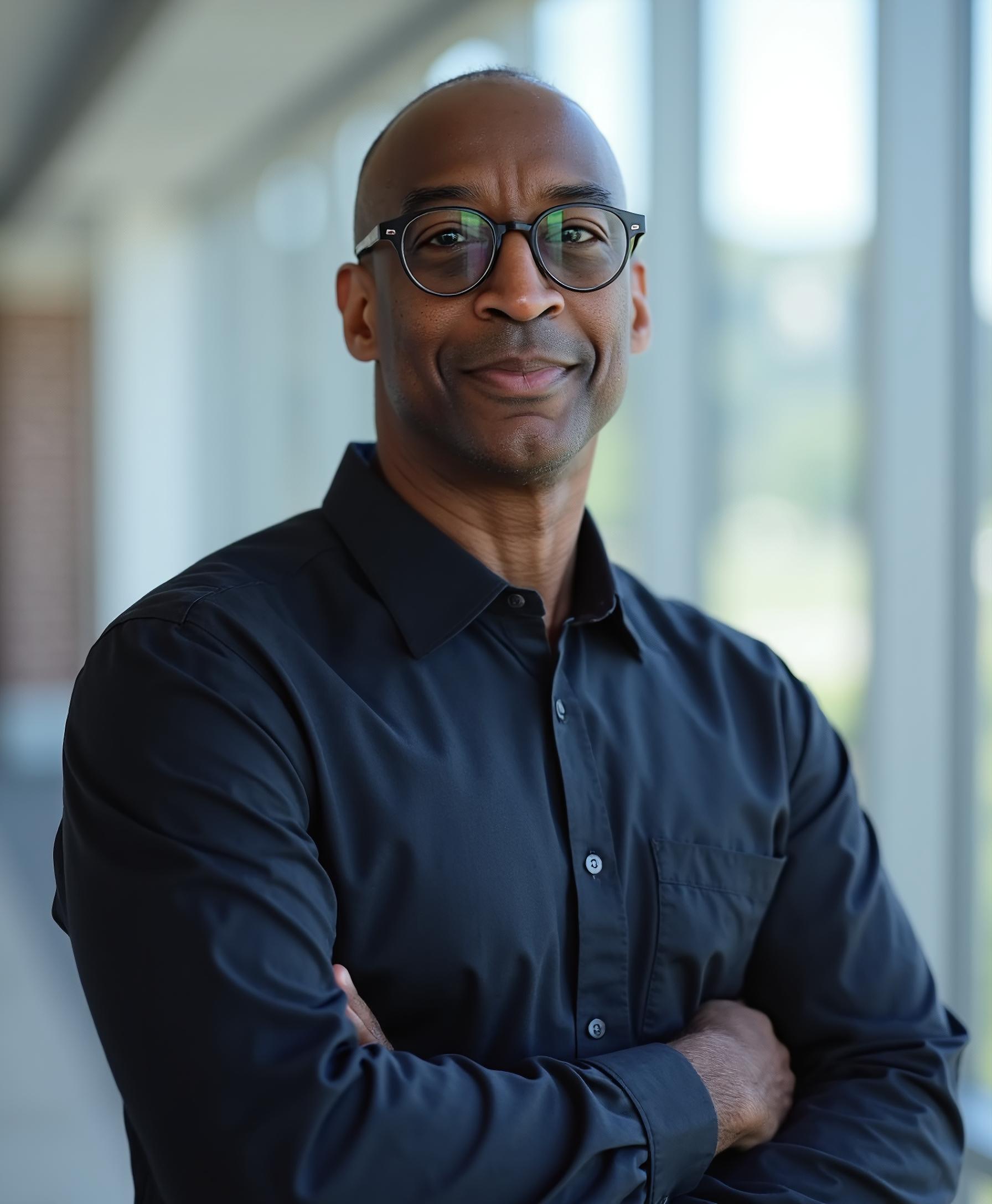
P. Tony Jackson Ph.D.
Dr. Tony Jackson is an artivist, educator and scientist-practitioner. He is a licensed QEEG Diplomate, licensed clinical psychologist, board certified neurofeedback practitioner, clinical training director and co-founder of PranaMind, LLC. His clinical experience includes tours with Children’s Hospital-Oakland, New Leaf Treatment Center, Oakland Community Counseling and Sunset Day Treatment Center in San Francisco. He established his teaching career at College of Notre Dame (now Notre Dame de NaMur University) as an assistant professor of psychology and at Skyline College, as an adjunct professor. He earned his Ph.D. in Clinical Psychology with an emphasis in Health and Multicultural Psychology from the California School of Professional Psychology, Berkeley-Alameda campus (renamed Alliant University). Dr. Jackson served as Clinical Training Director for the Therapist In Residency training program (TNR-bay area) and currently serves as clinical supervisor for the Nganga na Dibuti program. As a tenured professor of psychology at Skyline College (Ret.), he formally coordinated the ASTEP (African American Success Through Excellence and Persistence) program. His teaching experience includes various graduate and undergraduate programs in the San Francisco Bay area. Dr. Jackson assisted in developing a handbook for the development of culturally sensitive learning communities as part of the GROWTH (Genuine Rebuilding Opportunities With Technology and Humanity) curriculum as well as in the development of The Adewole Project and the ASTEP Math Academy, at Skyline College. He is co-author of “Psychology: Connections in Theory and Practice 4th ed.” and author of “Black Male Violence in Perspective-Towards an Afrocentric Approach” and the DragonSlayer curriculum for violence prevention/intervention. In addition, he developed and co-directed the first Brain Training and Peak Performance Project along with Dr. Raymond Jones at Skyline College.
Dr. Jackson brings a wealth of therapeutic experience including working with families, couples, children, group therapy, treatment of seriously mentally ill patients, working with troubled teens, treatment of drug addiction and complex trauma. His research interests and clinical experience also include treatment with a focus on psycho-nutrition (the use of optimal nutrition to stimulate mental and physical health and healing) and brain technologies. Dr. Jackson is a member (and past President) of the Bay Area Chapter of the Association of Black Psychologists, the International Association of Functional Neurology and Behavioral Rehabilitation, the Association for Applied Psychophysiology and Biofeedback and the American Psychological Association. He serves on the boards of several community-focused organizations including the African American Health and Wellness Steering Committee for Alameda County, The Love Not Blood Campaign and the Alameda Alliance for Health Peer Review and Credentialing Committee. He believes in the strength and ability of culture and the community to heal. Dr. Jackson’s sources of inspiration are his family, his love of music and his ongoing thirst for the application of knowledge.
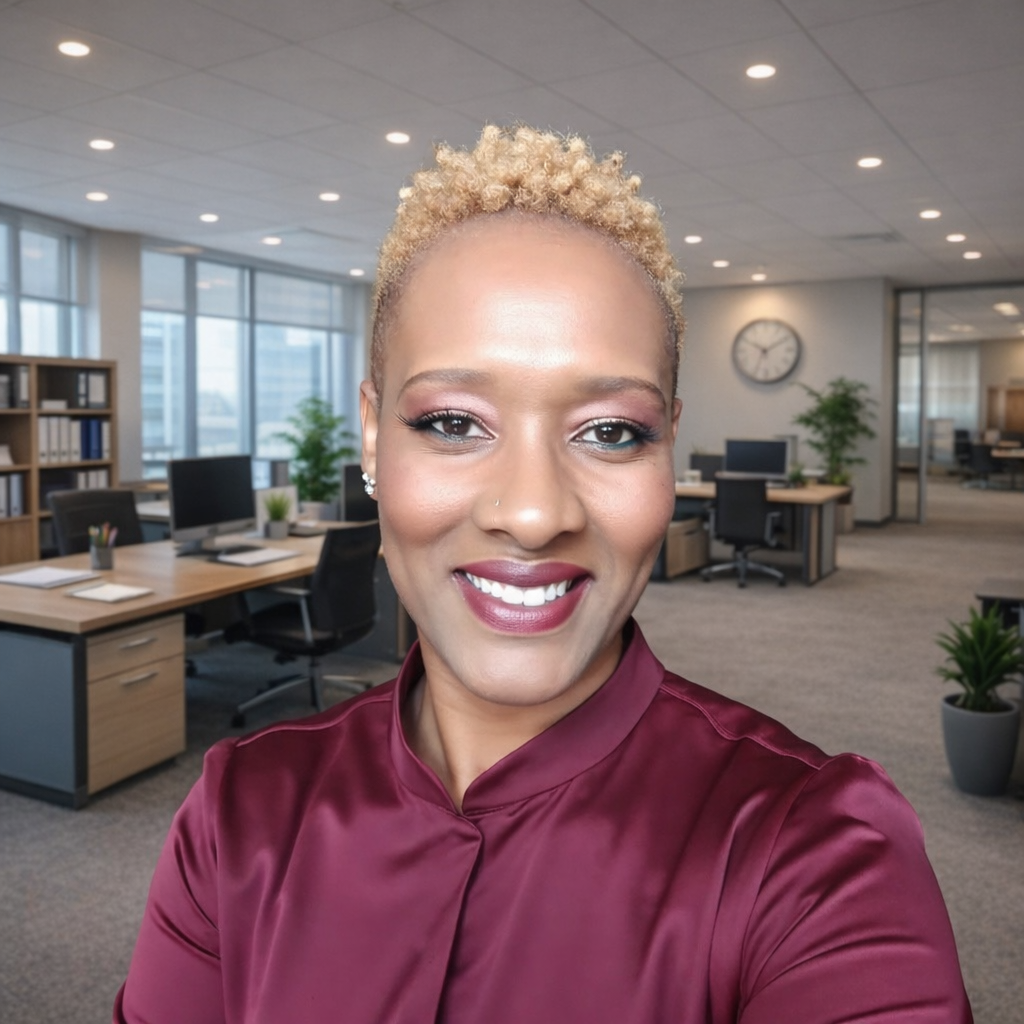
La Tronda Smith Lumpkins, MSW, MBA, PhD
Dr. La Tronda is an Nganga (Restorer in Family & Community), a scientist of the spirit, spiritual practitioner, and researcher. She is also professionally known as a psychologist and behavioral health specialist with nearly 30 years of experience in community mental health and direct service settings. She is the Founder & CEO of Fawohodie Psycho-spiritual Wellness Institute. She holds a PhD in Integral and Transpersonal Psychology from the California Institute of Integral Studies (CIIS), a Master's in Social Welfare (MSW) from UC Berkeley, and a Master's in Business Administration from Mills College (MBA). She has an extensive employment history, including work in C-suite-level executive leadership roles but has followed the nudging of her ancestors to complete that which is incomplete and focus her attention on restoration, healing, and liberation. Her expertise spans PTSD, substance addiction, complex childhood and intergenerational trauma, sexual assault, racial trauma, suicide risk factors, and self-harm behaviors. She offers holistic services that address the energetic and spiritual dimensions of healing. Dr. La Tronda has over 25 years of nonprofit management experience servicing youth, families, survivors of intimate partner violence, as well as the formerly incarcerated. Having completed a post-doctoral fellowship with the Nganga na Dibuti Program with the African American Wellness Hub, founded by Dr. Wade Nobles (Founder of the Association of Black Psychologists and one of the pioneers of the field and study of African/Black Psychology), she plans to continue her journey as an Nganga and highlight the lived experiences of people throughout the African diaspora.
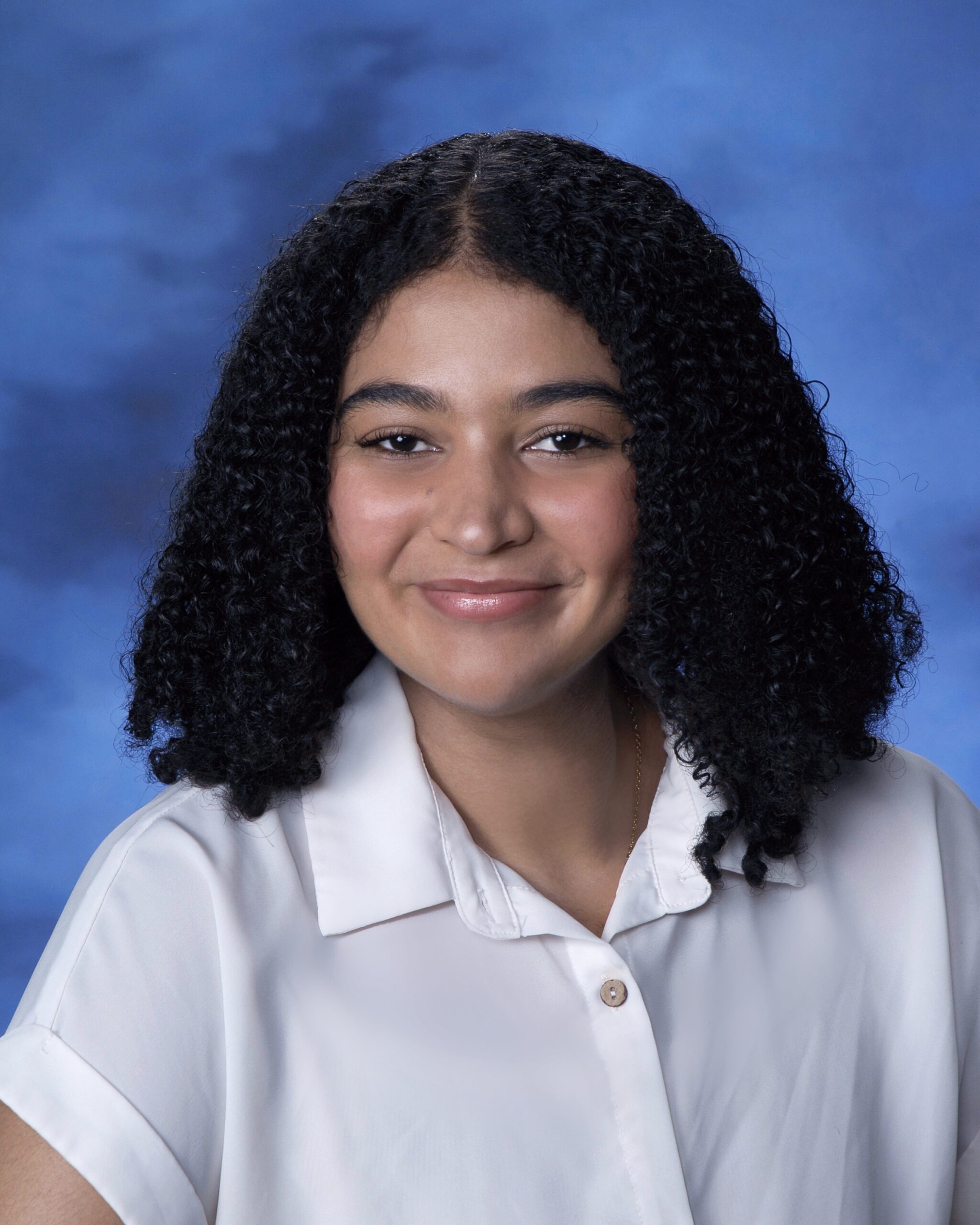
Zindzhi Montgomery
Zindzhi Montgomery is a recent graduate of Swarthmore College, where she earned a double major in Psychology and Film & Media Studies. During their time at Swarthmore, Zindzhi was also an NCAA varsity student-athlete on the Swarthmore women’s volleyball team. As the Coordinator of Outreach Services at the HUB, Zindzhi is passionate about community engagement, cultural programming, and supporting initiatives that celebrate and uplift African and African American communities. Her undergraduate thesis explored how immersive media experiences, such as virtual reality, can influence empathy and perceptions of racial microaggressions.
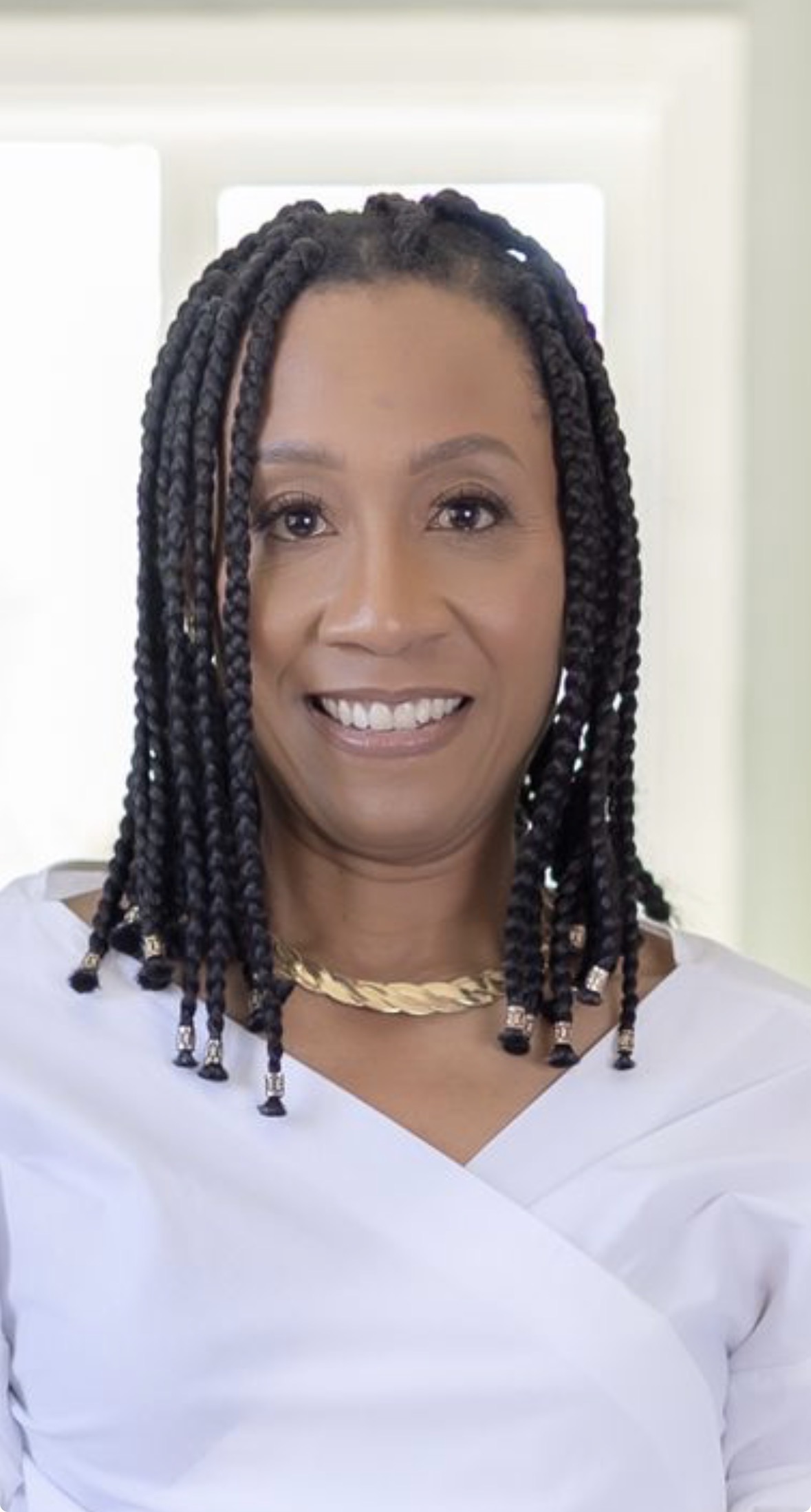
Cevie Touré
Business Operations and Human Resources Manager
Cevie Penda Touré serves as the Business Operations and Human Resources Manager at the African American Wholistic Wellness Hub, where she brings both structure and heart to the work of community healing. A doctoral student in clinical psychology, she is committed to the ongoing work of not only decolonizing the African mind but liberating it, so that people of African descent can reclaim their wholeness and live in alignment with their ancestral wisdom.
She is a certified holistic nutritionist, herbalist, chef, health coach, energy healer, and life coach, often describing herself as a modern-day medicine woman who channels ancient wisdom. Her practice weaves together food, plants, movement, and spirit into a way of caring for the whole person rather than treating symptoms in isolation. She believes in an African-centered way of living and carries that belief into every part of her work.
In her role at the Hub, Cevie draws on the concept of the African Village as her model for operations and human resources. She organizes the work so that responsibility is shared, relationships are honored, and the community carries its work together. In this way, she helps the Village thrive, a place where the wisdom of ancient African thought is held in high regard and deep respect, and where collective wellbeing is the measure of its success.
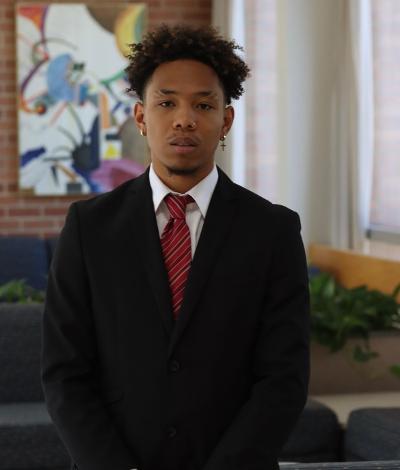
Elijah Virachittevin
Elijah Virachittevin serves as a Wellness Restorer with the African American Wellness Hub. He is currently pursuing a Doctor of Psychology (PsyD) in Clinical Psychology at the University of San Francisco and holds a Bachelor of Arts in Psychology with a minor in Biology from North Carolina State University. His clinical training includes practicum experience with the Association of Black Psychologists’ Ngaga Na Dibuti Program and Sankofa Holistic Counseling Services, where he provided individualized therapy grounded in a Black Psychology framework. He is also a Certified Peer Support Specialist and an Academic Success Coach at the University of San Francisco, supporting undergraduate freshmen, law students, graduate students, and doctoral students in developing academic skills, confidence, and overall success.
Elijah is a member and former chapter president of Kappa Alpha Psi Fraternity, Inc., where he draws on traditions of leadership, achievement, mentorship, music, and stepping. He is particularly interested in integrating stepping, rhythm, movement, and music as culturally affirming therapeutic tools to support emotional expression, connection, identity development, and healing. As a certified yoga teacher and martial arts enthusiast, he integrates psychology, movement, mindfulness, mentorship, and African-centered wellness practices to create restorative, culturally responsive spaces for individuals, families, and communities.